Micro Grid Solar Power System
MICROGRID SOLAR POWER SYSTEM
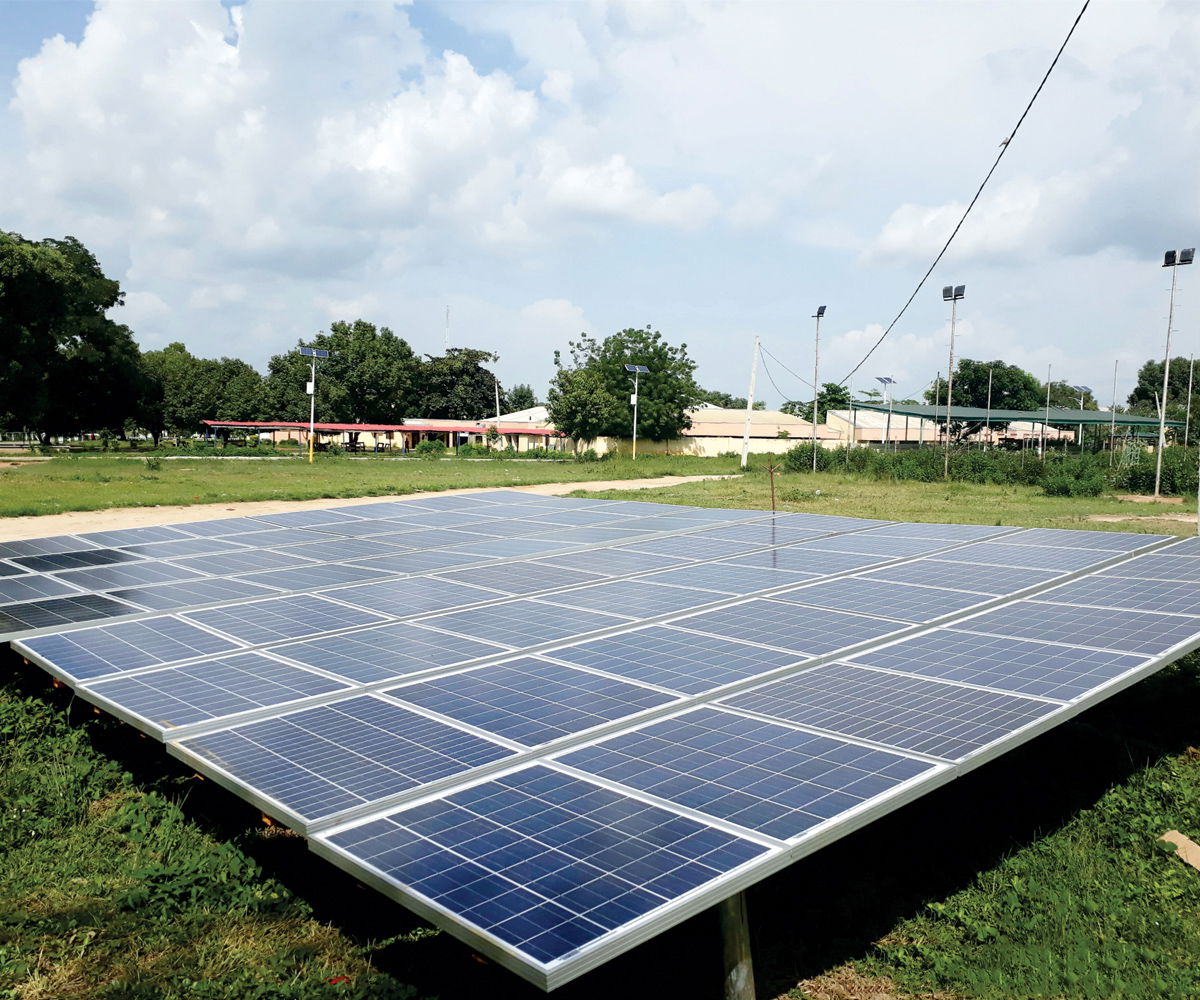
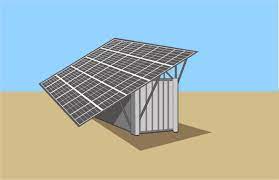
A microgrid is a self-sufficient energy system that serves a discrete geographic footprint, such as a college campus, hospital complex, business center, or neighborhood. A micro grid or isolated grid”, is a set of electricity generators and possibly energy storage systems interconnected to a distribution network that supplies electricity to a localized community that may not have access to the grid for many years.
Often, microgrid involves multiple energy sources like solar, wind, water, or fuel as a way of incorporating renewable power. It operates independently from the main power grid. Within microgrids are one or more kinds of distributed energy (solar panels, wind turbines, combined heat and power, generators) that produce its power. In addition, many newer microgrids contain energy storage, typically from batteries. Some also now have electric vehicle charging stations.
It's an innovative energy solution that provides reliable and sustainable electricity in decentralized areas. It consists of small-scale solar panels connected to a local power grid, enabling communities to generate and consume their clean energy. With this system, users can reduce their dependence on traditional power sources and benefit from lower energy costs and reduced carbon emissions.
Microgrid defined by three key characteristics
1. A microgrid is local
First, this is a form of local energy, meaning it creates energy for nearby customers. This distinguishes microgrids from the kind of large centralized grids that have provided most of our electricity for the last century. Central grids push electricity from power plants over long distances via transmission and distribution lines. Delivering power from afar is inefficient because some of the electricity – as much as 8% to 15% – dissipates in transit. A microgrid overcomes this inefficiency by generating power close to those it serves; the generators are near or within the building, or in the case of solar panels, on the roof.
2. A microgrid is independent
Second, a microgrid can disconnect from the central grid and operate independently. This islanding capability allows it to supply power to its customers when a storm or other calamity causes an outage on the power grid.
3. A microgrid is intelligent
Third, a microgrid – especially an advanced system – is intelligent. This intelligence emanates from what’s known as the microgrid controller, the central brain of the system, which manages the generators, batteries, and nearby building energy systems with a high degree of sophistication. The controller orchestrates multiple resources to meet the energy goals established by the microgrid’s customers. They may be trying to achieve the lowest prices, cleanest energy, greatest electric reliability, or some other outcome. The controller achieves these goals by increasing or decreasing the use of any of the microgrid’s resources – or combinations of those resources – much as a conductor would call upon various musicians to heighten, lower, or stop playing their instruments for maximum effect.
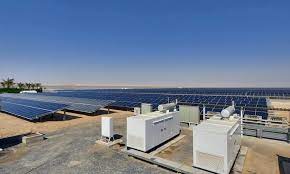
A software-based system, the controller can manage energy supply in many different ways. But here’s one example. An advanced controller can track real-time changes in the power prices on the central grid. (Wholesale electricity prices fluctuate constantly based on electricity supply and demand.) If energy prices are inexpensive at any point, it may choose to buy power from the central grid to serve its customers, rather than use energy from, say, its solar panels. The microgrid’s solar panels could instead charge its battery systems. Later in the day, when grid power becomes expensive, the microgrid may discharge its batteries rather than use grid power. Microgrids may contain other energy resources – combined heat and power, wind power, reciprocating engine generators, and fuel cells – that add even greater complexity and nuance to these permutations. Working together via complex algorithms, the microgrid’s resources create a whole that is greater than the sum of its parts. They drive system performance to a level of efficiency none could do alone. All of this orchestration is managed in a near-instantaneous fashion – autonomously. There is no need for human intervention.
Benefits of Micro-Grid System
- Economic empowerment through micro industry
- It takes a shorter time to install compared to the grid that can take years
- Provision of portable water
- Reliable and interruptible means of power
- It has a long lifespan and very minimal maintenance cost
